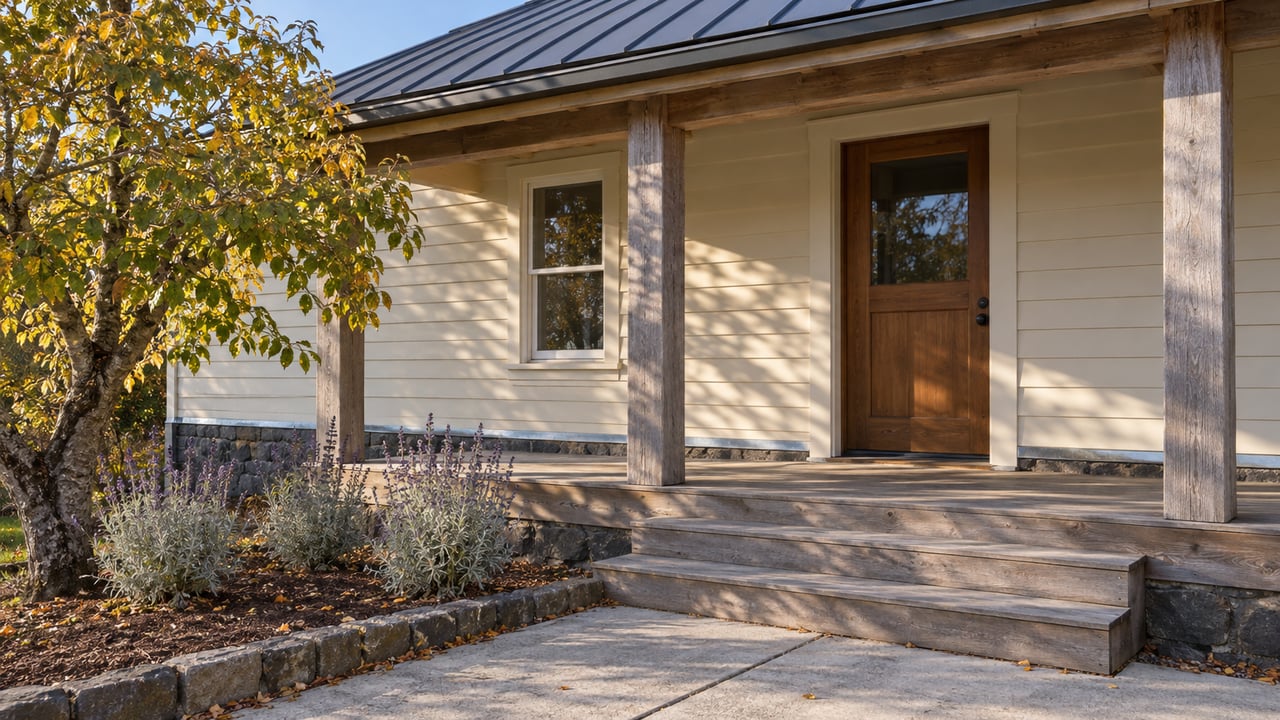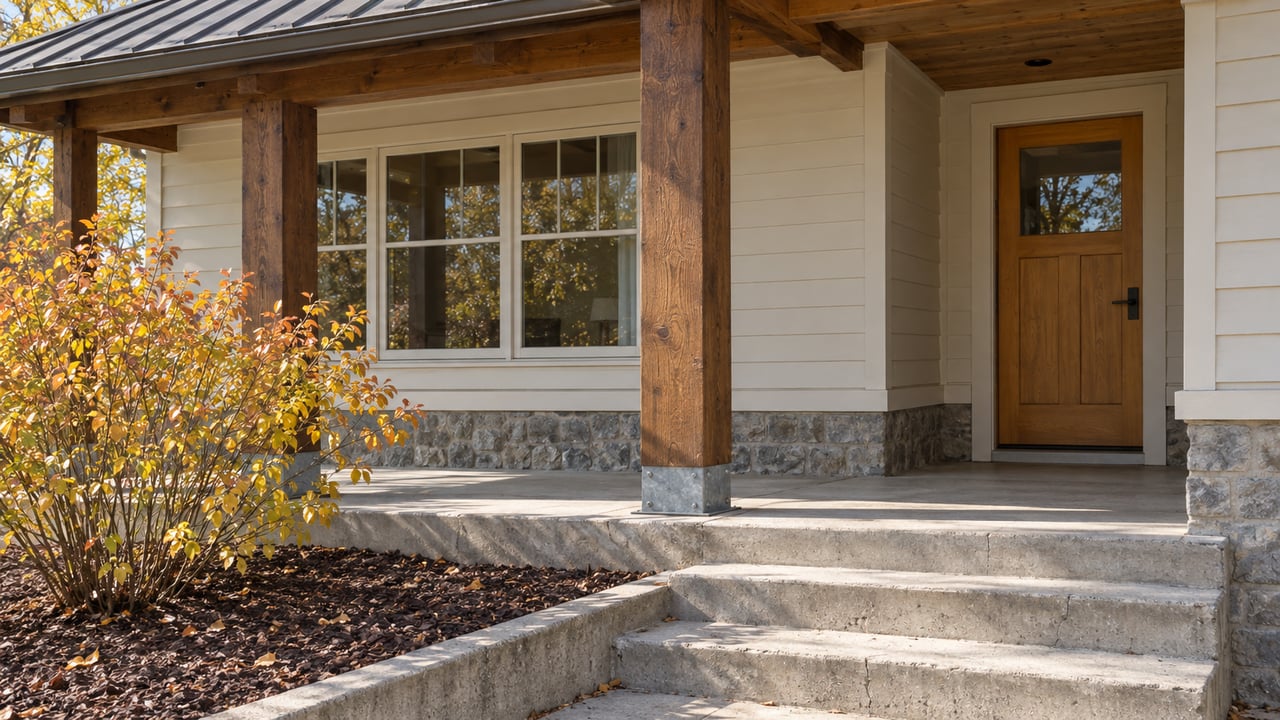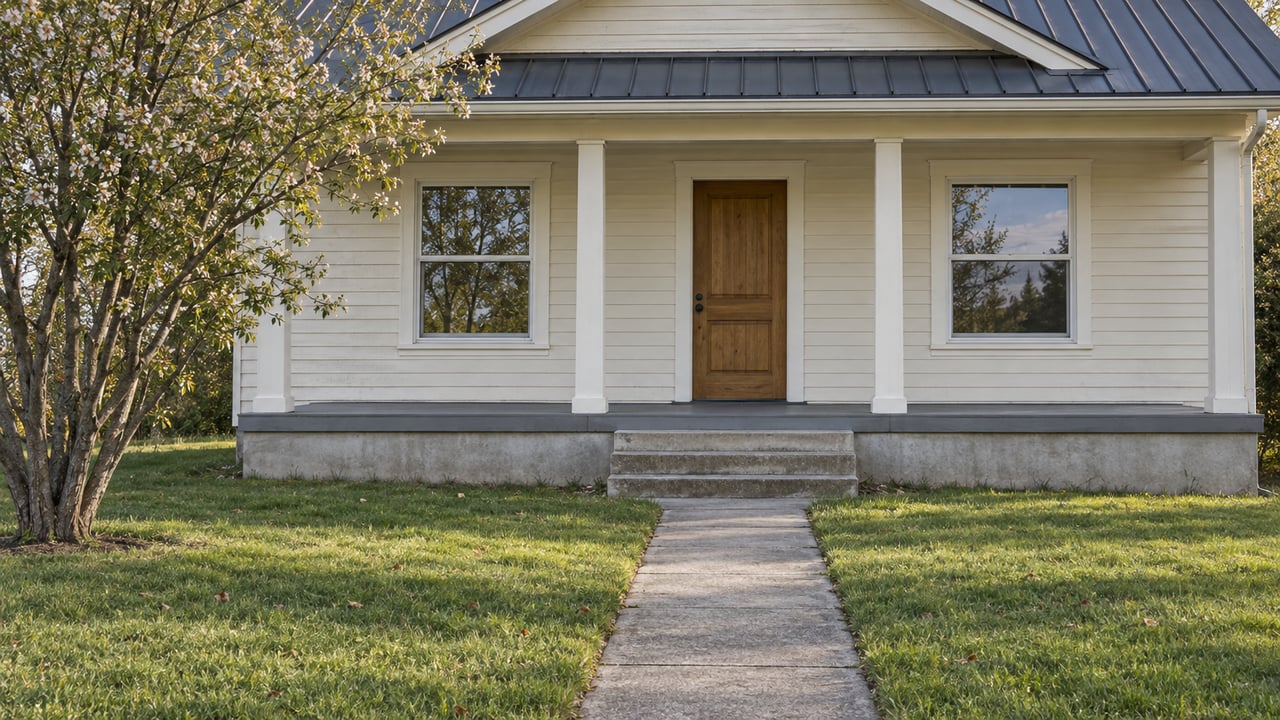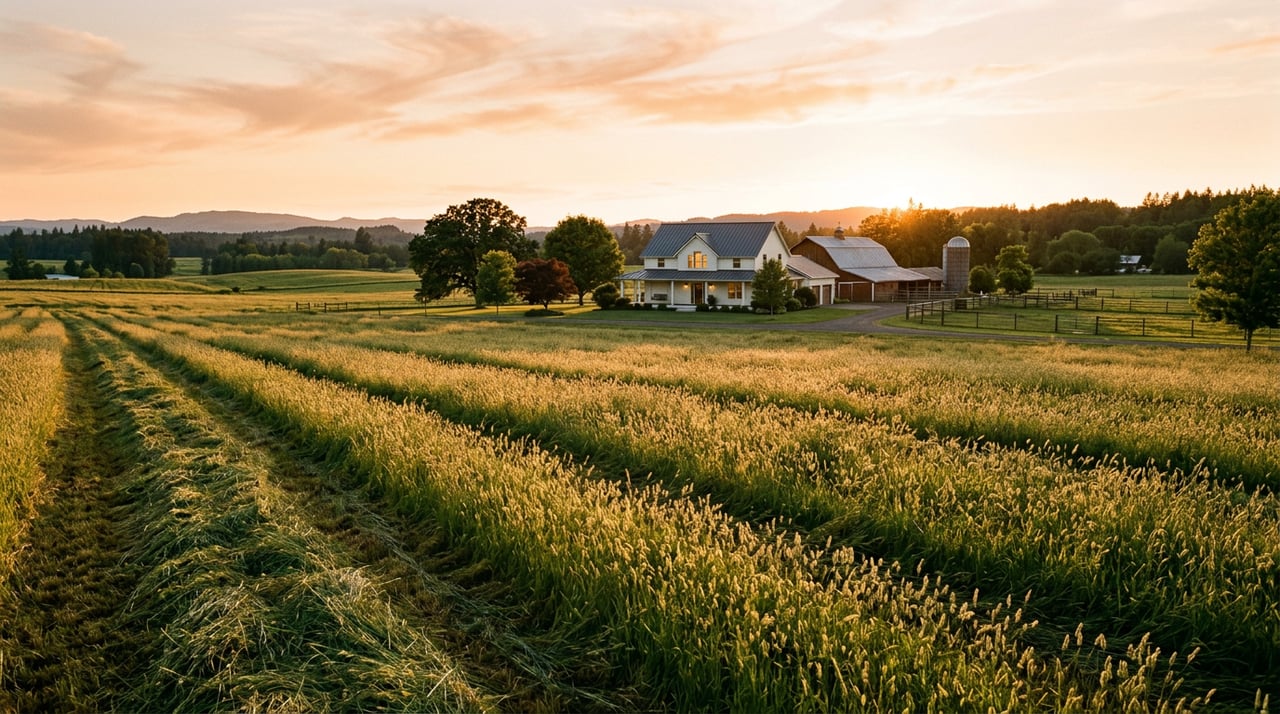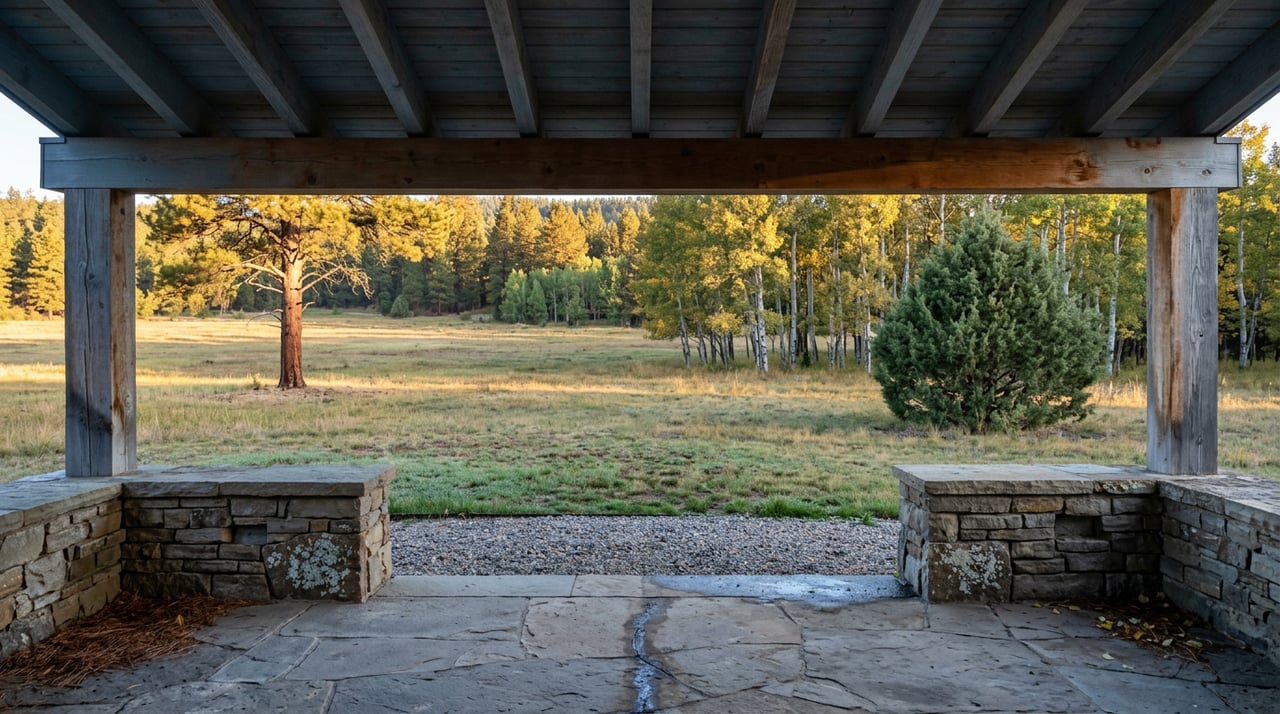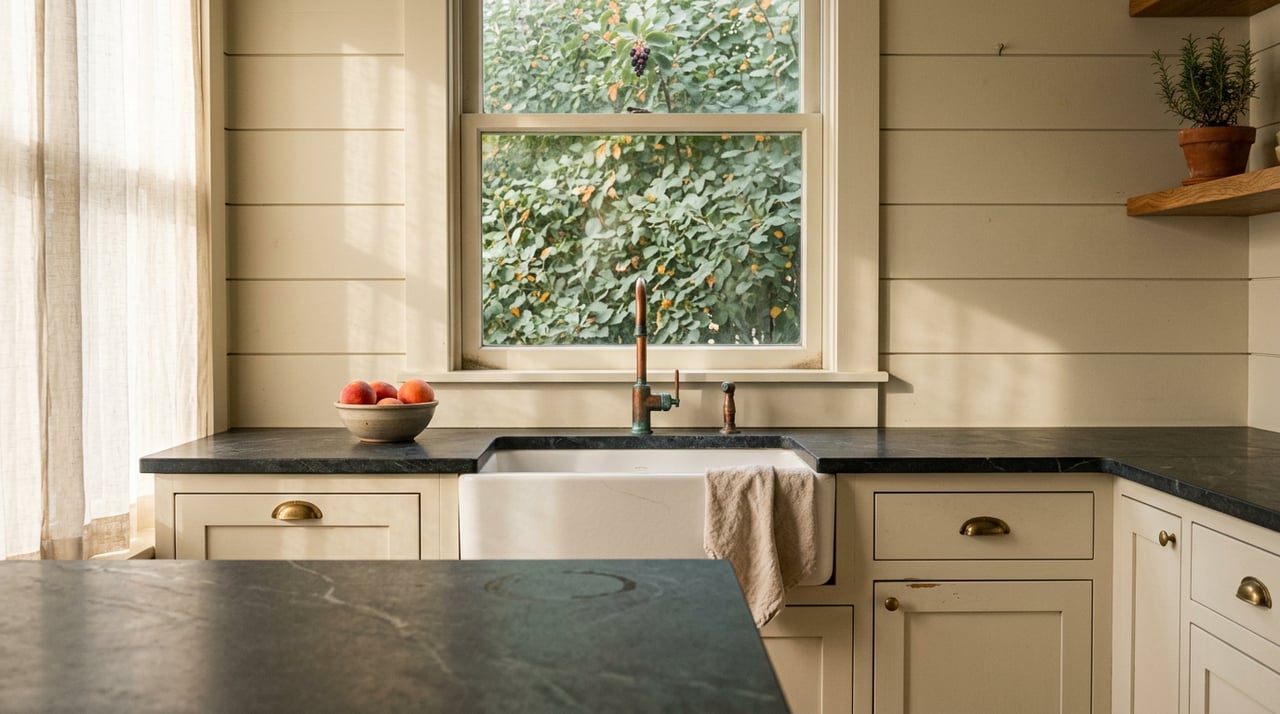
Three houses sold in Fruitland last month at nearly the same price. One sat on a quarter-acre lot near Fruitland Community Park with a 1970s kitchen. One was a new build in a Willowbrook-style subdivision with a two-car garage and a builder's warranty. One had two irrigated acres, a well, and a septic tank on the way toward the Payette River. A single median absorbed all three sales and reported one tidy number to the portals.
That number is the wrong tool for writing an offer here. Fruitland's market is not one market softening or hardening. It is three submarkets that share a zip code and almost nothing else, and the mechanism that keeps them from converging is a wage story most out-of-area buyers never see.
The number, and what it hides
Redfin put Fruitland's median sale price at roughly $411,000 last month, up about 9.6% year over year. Homes.com's trailing twelve-month median lands closer to $385,000. Both are correct. The gap between them is exactly the problem. In a town of about 7,000 people with only a handful of closings per month, whichever house happens to close first shifts the headline. As of July 2026 the state median sat near $503,400 per HomeStats, and Idaho as a whole was still trading close to list. Fruitland is below the state number but with wider month-to-month noise than the state average implies.
The useful question is not "what is the median." The useful question is which of three submarkets the property belongs to, because each one prices from a different demand engine.
The hospital wage floor
Fruitland has two full medical campuses inside city limits: the St. Alphonsus Fruitland Health Plaza and the St. Luke's Fruitland Medical Plaza. Lara Hoch, quoted in a Homes.com city guide, put it plainly: two new hospitals created a different economy, and the people working in them have money to buy houses. That single observation explains more of Fruitland's price behavior than any statewide forecast.
Both plazas employ nursing, imaging, and administrative staff at wage bands that would be unusual for a Payette County town of this size. Woodgrain runs a mill of roughly 300 people at 300 NW 16th Street. Dickinson Frozen Foods, an Oregon Potato Company facility, runs an onion and bell pepper plant with around 250 employees year-round at 600 NW 21st Street. Add the school district and the two hospital campuses and you have a wage base that is stable, non-seasonal, and mostly resident. That is why days on market can run 62 to 77 depending on which source you check and homes still trade close to list. Demand is not thin. Demand is fragmented across three product types.
The Oregon line, four miles west
The border does two things at once. Ontario, Oregon sits about four miles west across the Snake River, which is where the Walmart Supercenter and the Saint Alphonsus parent facility live. Some Fruitland residents work in Oregon and shop in Oregon, which has no state sales tax. Others live in Idaho specifically because Payette County's effective property tax rate runs around 0.76% of assessed value, well below what a comparable Ada County home would carry.
For a buyer, the relevant fact is that Ontario wages set a floor under Fruitland home prices independent of anything happening in Boise. When Ada County softens, Fruitland does not necessarily follow. When Ontario employers hire, Fruitland absorbs some of that demand on the Idaho side of the river, where the tax bill is lower and the housing stock is newer.
The three buckets, priced
The three submarkets do not compete for the same buyer. Confusing them is the single most common way to overpay in this town.
The older core near Fruitland Community Park
This is the pre-1990 stock along and behind SW 3rd (Main) Street and Pennsylvania Avenue, walking distance to the park, the Old School Community Center, and small independent kitchens like Ogawa's Sushi and Black Cow. Lots are typically a quarter-acre or less. The competition here is not out-of-state buyers. It is first-time buyers from Payette County, hospital staff who want a short commute, and investors looking at long holds. Diligence centers on roof age, panel capacity, sewer laterals, and any past irrigation-ditch encroachment. Comps drawn from the newer subdivisions will read high on a per-square-foot basis and mislead the appraiser.
The newer subdivisions: Willowbrook, Pear Valley, and their neighbors
City-served, sidewalks, HOA in most cases, homes built within the last fifteen to twenty years. This bucket prices most closely to the Homes.com trailing median because it is the deepest and most liquid. The buyer here is usually a two-income household with at least one earner tied to St. Alphonsus, St. Luke's, Woodgrain, Dickinson, or a Boise commute via I-84. Diligence is straightforward: HOA CC&Rs, warranty transfer, and confirming the subdivision's stormwater and irrigation setup. This is the bucket where multiple offers still surface on well-priced homes.
Acreage toward the Payette and Snake River corridors
Once you leave city limits, you enter unincorporated Payette County, where the Zoning and Subdivision Ordinances administered under Idaho Code §67-6511 apply and county planning staff at 1130 3rd Ave N in Payette review conditional use permits. A recent county docket included an event-venue conditional use application at 1615 Fairview Avenue and a pond/gravel extraction application on Highway 95, which is the kind of neighbor question acreage buyers should be asking before they write. Well, septic, irrigation water rights, and floodplain overlays from the two rivers drive value more than square footage. This bucket does not track the in-town median at all. It tracks land comps, water shares, and whichever direction Payette County zoning is trending.
How to figure out which bucket you're bidding in
Before your agent runs comps, run this sequence yourself:
- Pull the parcel on Payette County GIS and confirm whether it sits inside Fruitland city limits or in unincorporated county.
- Check the year built and the lot size against the Willowbrook and Pear Valley medians rather than the citywide number.
- If the property is on well and septic, ask for the well log, the septic pumping history, and confirmation of irrigation shares before you set your ceiling.
- If the property is city-served, ask specifically about the sewer lateral, the irrigation ditch easement if any, and any pending downtown assessment tied to the SW 3rd or Pennsylvania Avenue improvements.
- Compare the resulting comp set to your offer price. If they don't line up, you're bidding into the wrong bucket.
A well-run offer in Fruitland is really an argument about which of three price stories the seller can defend.
What this means for sellers
Sellers face the mirror image of the same problem. A hospital-adjacent buyer will pay a premium for a home genuinely walkable to a shift, and undersell that same home if the listing photos read as generic Treasure Valley product. An acreage seller who lets the listing anchor to the in-town median leaves water rights and improvements uncredited. Positioning has to name the bucket. Pricing has to name the bucket. Marketing photography has to show what that specific buyer is actually paying for.
FAQ
Is Fruitland part of the Boise commuter market? Partly. The drive to downtown Boise runs roughly 45 to 60 minutes on I-84, and some households do it. The wage base that clears most Fruitland transactions is local: the two hospital plazas, Woodgrain, Dickinson Frozen Foods, the school district, and Ontario employers across the Snake River. Treat Boise as the ceiling of a commute tolerance, not the driver of Fruitland pricing.
Why do the median numbers I see online disagree? Fruitland closes a small number of homes each month, so a single high or low sale swings the median. Redfin, Homes.com, Zillow, and the county assessor each use different time windows and inclusion rules. The right move is to ask for the comp set that matches your specific bucket rather than trust any single citywide number.
Does the Oregon border change anything at closing? Not at the Idaho closing itself. What it changes is buyer economics beforehand. Income earned in Oregon is taxed in Oregon, Idaho residents file for the credit, and household sales-tax spending shifts across the river. Factor that into affordability, not into the purchase contract.
Fruitland rewards buyers and sellers who name the submarket before they name a number. If you are trying to decide which bucket a specific property belongs to, or how to price your own home against the right comps rather than the citywide median, Malia Bumgarner has worked this corner of West Central Idaho long enough to tell you which comps deserve the weight. Let's Connect.